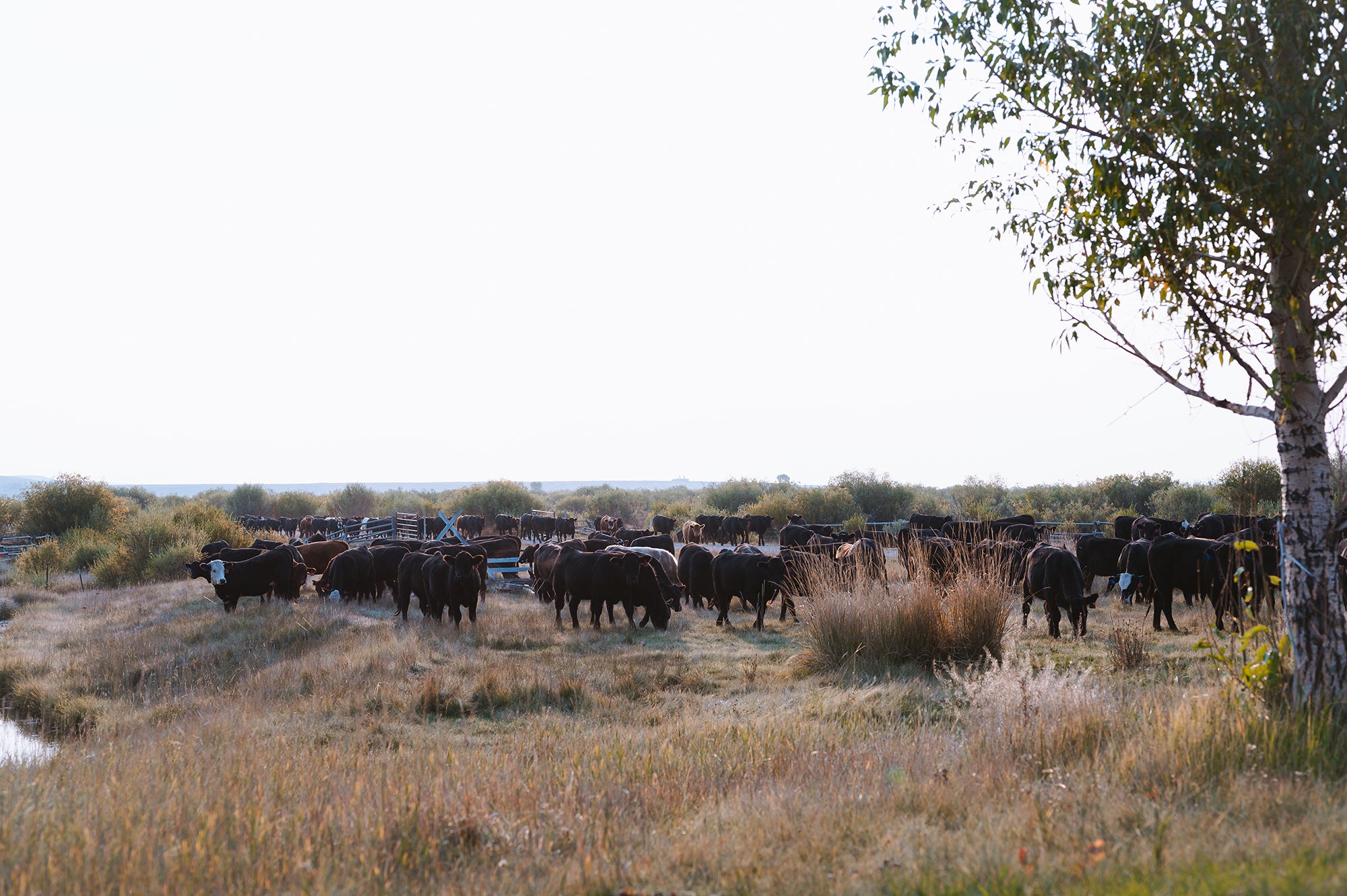

Women in Ranching’s Leading with Numbers Cohort is designed to support women in agriculture as they pursue meaningful, achievable financial and operational goals.
Over the course of 10 weeks, this small cohort of up to 10 women will gather virtually to learn, receive support and mentorship, build relationships, and work towards financial clarity for their operations.
Our cohort is designed to provide participants with weekly financial learning, work sessions, and community support opportunities that will have a lasting impact on their businesses. Research has shown that when we make change in community, instead of in isolation, that change has a much stronger likelihood of becoming a sustained habit.

To participate in the cohort you must
✓ Actively steward land and livestock
✓ Actively use a financial software platform (Quickbooks or Ambrook typically) for your business
✓ Have financial data from 2025 already in a financial software program
✓ Have production data available from 2025
✓ Have access to a computer with Google Sheets or Excel, and be comfortable using these applications
✓ Be able to dedicate about 4-6 hours per week to showing up, both for virtual group sessions (2-3 hours) and for yourself, independently working on homework or your final project (2-3 hours)
Meet your facilitator
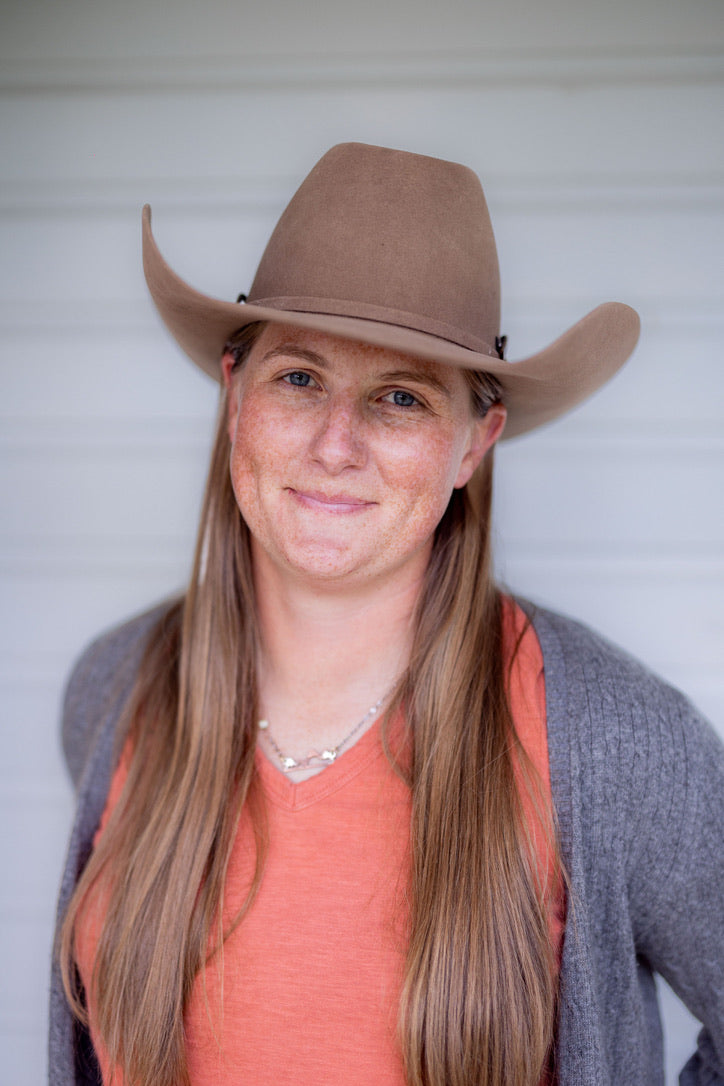
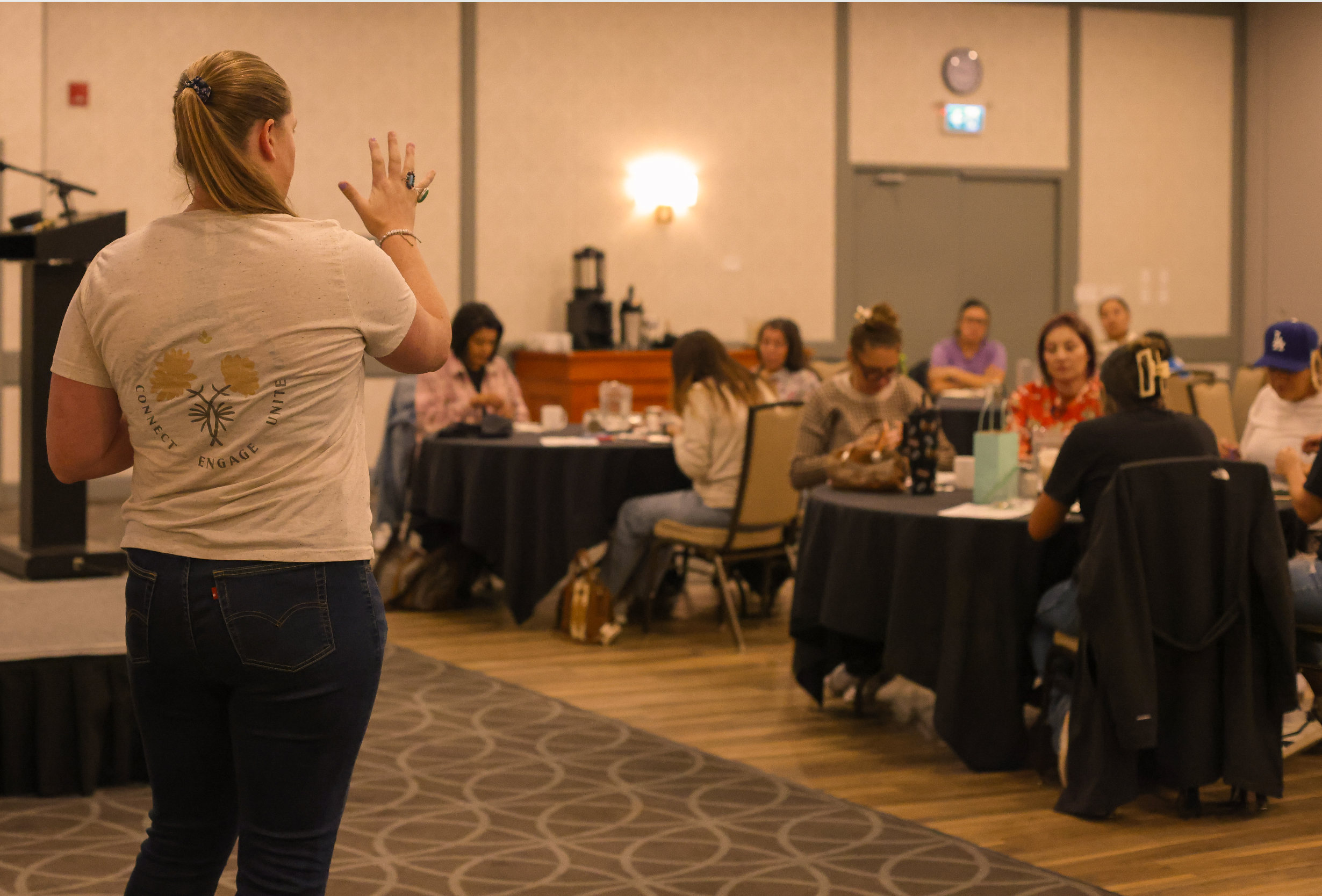
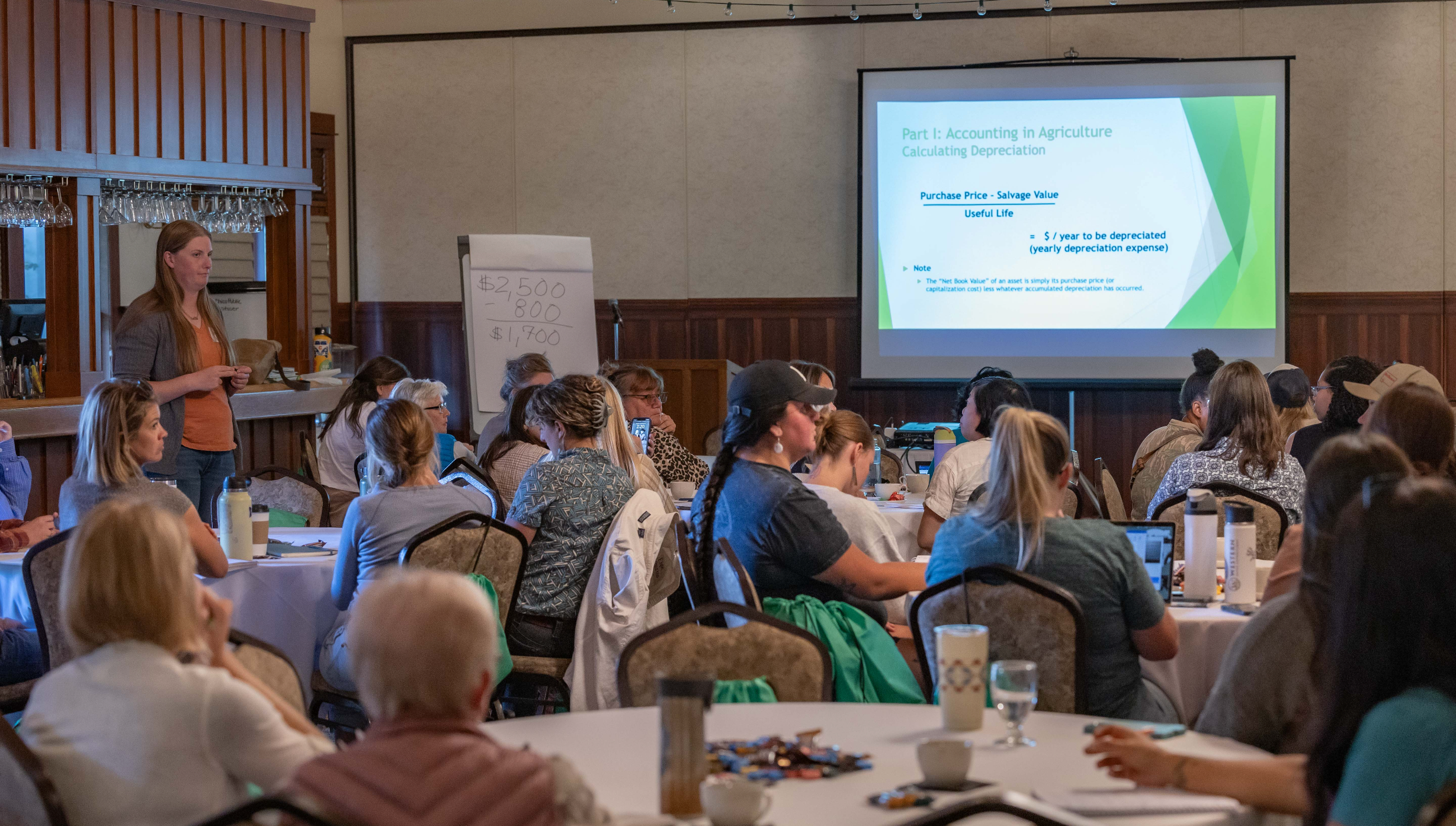
The cohort will be led by Caroline Wild, who brings years of experience facilitating Women in Ranching’s Virtual Ranch Management series. Through that work, as well as her personal business, Wild Ranch Solutions, Caroline has developed a deep, hands-on understanding of the challenges and opportunities facing women in ranching. She brings a thoughtful, grounded approach to helping individuals clarify their vision, commit to meaningful goals, and move toward them with purpose and support. Caroline has a bachelor’s degree in Livestock Management and Industry from Montana State University and a Master’s in Ranch Management from the King Ranch Institute for Ranch Management. From running the DNA department at the American Simmental Association to organizing pens of cattle at Headwaters Livestock Auction, Caroline learned to love problem-solving on the go. She has baled hay and fixed fences from north of Yellowstone up to the plains and breaks of Central Montana and served as a Ranch Systems Analyst for a large ranch in northern Wyoming and southern Montana. Based in Montana, Caroline takes on the world with her dog, Moxie, a frequent participant in her adventures, whether road-tripping obscene distances, hiking to alpine lakes, or devouring a book on the front porch.


FAQs
Does it matter what accounting software I am using?
No, not necessarily, but QuickBooks Online or Ambrook are going to be the best options for this cohort. Any version of Ambrook will work, whereas you will need at least the QuickBooks Plus level to get the “class feature,” which we will use. If you are using a different software package, feel free to reach out to Caroline to see if this software will work with this program.
If I am just starting out ranching / farming is this cohort for me?
Congratulations on getting started! While this cohort is not designed for beginning or aspiring ranchers / farmers, we will offer our Spring Virtual Ranch Management series starting March 24th and we encourage you to attend!
Are there scholarships available?
We offer a limited number of community-supported tickets to make this accessible to all. These tickets reflect our belief that everyone has something valuable to contribute, and cost should not be a barrier to connection, learning or leadership. If you wish to apply for a scholarship, please indicate so on the application and complete the required questions.
How much of a time commitment is this?
There will be 2-3 hours of group meetings per week, with the expectation that you will also have to complete 3-5 hours per week of individual work outside of our meetings times to be able to fully complete your annual analysis.
What will I get if I sign up for the cohort?
You will leave the cohort with a personalized chart of accounts, enterprise list, inventory flow, depreciation schedule and cost-basis balance sheet that can be used as templates for your operation in future years. If you keep up with categorization, you will also have the opportunity to complete a business analysis for that year.